
Solar power is transforming homes in Queensland (QLD) and New South Wales (NSW). More homeowners are turning to solar energy for its many benefits. This shift is driven by the desire to cut electricity costs and reduce carbon footprints. Solar power offers a sustainable solution for energy needs. In QLD and NSW, various incentives make solar installation more accessible. These programs encourage the adoption of renewable energy sources. Understanding the options and benefits of residential solar is crucial. This guide will explore everything you need to know about solar power in these regions.
Why Go Solar in QLD and NSW?
Queensland and New South Wales are ideal regions for solar energy. These areas receive abundant sunshine throughout the year, making solar panels very effective. As a renewable energy source, solar power reduces reliance on fossil fuels. Government incentives and rebates further encourage switching to solar. These programs help offset the initial installation costs, making it more affordable for homeowners.
Solar power offers numerous benefits, including:
- Significant reductions in electricity bills.
- Contribution to lower carbon emissions.
- Increased property value.
With these advantages, solar power is a smart choice for residents in QLD and NSW.
Key Benefits of Residential Solar Power
Residential solar power offers homeowners numerous advantages. One of the biggest benefits is financial. Solar energy systems lead to significant savings by reducing monthly electricity bills. Moreover, going solar helps the environment. It decreases reliance on non-renewable energy sources, reducing greenhouse gas emissions. This supports a more sustainable future for everyone. Additionally, solar systems can enhance property value. Houses equipped with solar panels often attract prospective buyers seeking energy-efficient homes.
Key benefits of residential solar include:
- Lower electricity expenses.
- Positive environmental impact.
- Boosted property marketability.
Harnessing solar power is not only an investment in your home but also in a cleaner world.
Solar Incentives and Rebates in QLD and NSW
The main reason solar is so affordable in QLD and NSW is the major federal incentive that provides an upfront discount on your system.
1. The Federal SRES Rebate (STCs)
This is the most important incentive for all homeowners. It’s not a rebate you get in the mail; it’s a large upfront discount applied to your quote. It works by assigning Small-scale Technology Certificates (STCs) to your installer, which can shave $2,000−$3,000 off the initial cost of a typical 6.6kW system.
2. The Federal Battery Rebate
As of July 2025, the new ‘Cheaper Home Batteries Program’ is available. This provides a significant federal rebate on the cost of a new solar battery, making energy independence and blackout protection more affordable than ever.
3. State-Specific Programs
While the federal rebates are the largest, QLD and NSW also have targeted programs that can help, including:
- NSW: Initiatives like the ‘Solar for Low Income Households’ program.
- QLD: Programs such as the ‘Solar for Rentals’ initiative, helping landlords and tenants share the benefits.
These incentives are designed to make solar more accessible. They help overcome financial barriers, ensuring more families can enjoy the benefits of clean, renewable energy.
Understanding Solar Power Systems: Types and Components
Residential solar systems come with various components. These parts work together to harness sunlight and convert it into electricity for your home. Understanding these elements can help you make informed decisions when installing a solar power system. The core components of a solar power system include solar panels, inverters, and battery storage. Solar panels capture sunlight, while inverters convert it into usable electricity. Meanwhile, battery storage allows homeowners to store excess energy for later use, enhancing independence from the grid.
There are different types of solar panels, each with unique features and benefits:
- Monocrystalline panels: High efficiency and sleek appearance.
- Polycrystalline panels: Cost-effective and durable.
- Thin-film panels: Flexible and light.
Choosing the right type and size depends on your energy needs and roof space. By understanding these components, you can tailor your solar system to best suit your household requirements.
The Solar Installation Process with EFS Solar
Installing a solar system is a smooth process when you work with a trusted, accredited partner. At EFS Solar, we manage the entire project with our in-house team of qualified designers and electricians—no subcontractors.
Our process is simple and transparent:
- Site Assessment & Design: An expert from our team assesses your property’s roof, orientation, and energy usage to design a custom system that maximizes your savings.
- Clear Quoting: We provide a detailed quote that clearly shows your system’s cost, the SRES (STC) discount, and your estimated payback period.
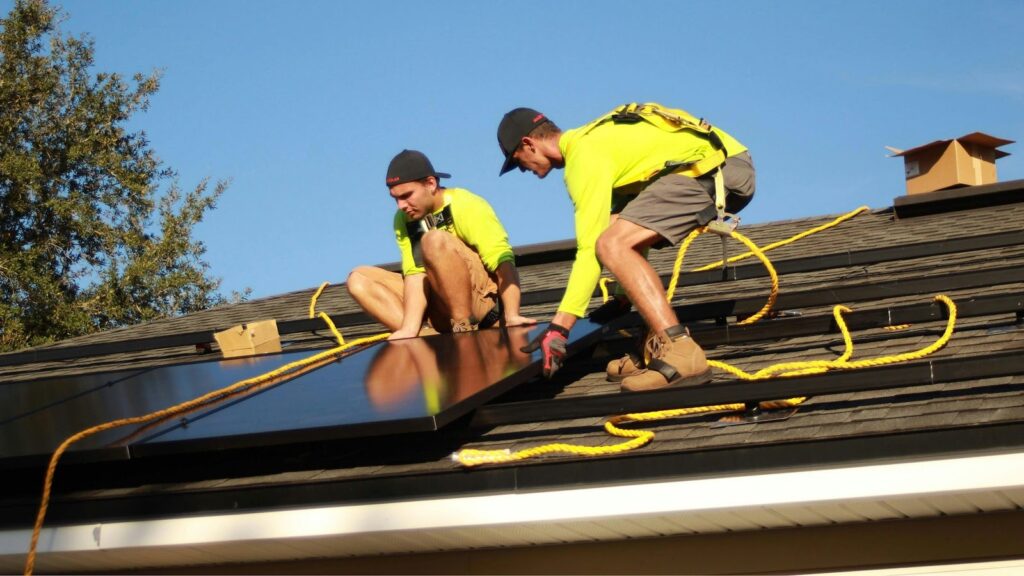
- Professional Installation: Our fully licensed EFS Solar technicians install your system to the highest Australian standards, ensuring safety, quality, and performance.
- After-Sale Support: We don’t just disappear. We’re here to help you understand your new system, set up your monitoring app, and answer any questions you have long after installation day.
(Image by Raze Solar)
Costs, Savings, and Payback Periods
Understanding the costs and savings from solar systems is essential for homeowners. The initial investment can be substantial, but government incentives and rebates can significantly lower this burden.
In Queensland and New South Wales, many households experience reduced electricity bills after going solar. It’s not uncommon for solar power to cut energy expenses by a large percentage. Over time, these savings accumulate, making solar a wise financial decision.
The average payback period for solar systems in these regions typically ranges from 3 to 5 years. This period can vary based on system size, energy use, and available incentives.
- Initial costs: Includes purchase and installation.
- Savings: Lower electricity bills and potential earnings from net metering.
- Payback period: Typically 3-5 years based on various factors.
Investing in solar not only benefits the environment but offers financial advantages too.
Choosing the Right Solar Provider
Selecting the ideal solar provider can seem overwhelming. It’s crucial to consider several factors to make an informed decision. Start by researching providers’ reputations and reading customer reviews. This will give you insight into their service quality and reliability. In QLD and NSW, many companies, including EFS Solar, offer tailored solutions. Evaluate their offerings and price competitiveness to ensure you get the best value.
- Experience: Years in the solar industry.
- Accreditation: Proper certification by relevant authorities.
- Customer feedback: Positive reviews and testimonials.
Choosing wisely will ensure a smooth installation process and long-term satisfaction.
Maintenance, Monitoring, and Longevity
Maintaining your solar power system is straightforward. Regular checks ensure optimal performance and prolonged lifespan. Cleaning your panels periodically is typically all that’s needed. Monitoring systems can track performance in real-time. This helps quickly address any issues. Longevity of solar panels often spans 25-30 years, offering consistent energy output.
- Minimal maintenance: Regular cleaning and inspections.
- Performance monitoring: Use apps and online platforms.
- Durability: Panels last decades with proper care.
Regular upkeep ensures both efficiency and return on investment, safeguarding your solar investment over time.
Frequently Asked Questions about QLD and NSW Residential Solar
What is the average payback period for solar in NSW and QLD? Thanks to abundant sunshine and strong incentives, the payback period for a typical 6.6kW solar system in QLD and NSW is very fast, often between 3 to 5 years. After that, the energy you generate is essentially free.
How much will I save on my electricity bills? This depends on your system size and how much energy you use during the day (self-consumption). Most households can expect to reduce their electricity bills by 50% to 80%, with many eliminating their bills entirely.
Do I still have to pay for power if I have solar? You will still have a connection to the grid for night-time use or on cloudy days, so you will likely still have a small supply charge from your retailer. However, a solar system with a battery can make you almost entirely energy-independent.
Conclusion: Making the Switch to Solar Power
Switching to solar power in QLD and NSW offers numerous benefits. You’ll enjoy reduced electricity bills, energy independence, and environmental contributions. Solar systems provide a reliable and sustainable energy source for the future.
As incentives and technology improve, the appeal of solar power grows. To take control of your energy bills and explore how these benefits can apply to your home, speak with a trusted local installer. The qualified team at EFS Solar can provide a free assessment to help you join Australia’s solar revolution.